For Emmanuel C. Ebirim, medicine is more than a career, it’s a response to what he has witnessed, endured and refused to accept as inevitable.
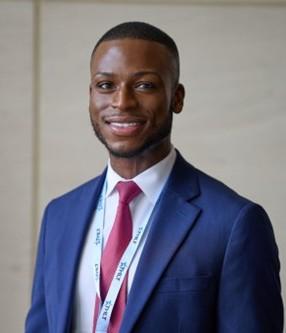
Born in Nigeria and raised in Houston, Emmanuel grew up seeing the devastating impact of cardiovascular disease in communities with limited access to care. In Nigeria, hypertensive emergencies, heart failure, stroke and amputations were heartbreakingly common, reflecting gaps in prevention, delayed emergency response and a shortage of specialized clinicians, including vascular surgeons. After immigrating to the United States, he recognized the same patterns in marginalized Houston neighborhoods, shaped by systemic inequities and fractured trust in healthcare. His calling became deeply personal after the loss of his youngest brother to cardiac complications, transforming grief into purpose.
As Black History Month is recognized nationwide, Emmanuel sees this time as both tribute and responsibility. He reflects on how medicine has often overlooked the contributions of Black physicians, scientists and patients. Growing up, medicine felt like something that happened to his community, not something his community could lead. That perspective changed when he shadowed Dr. Oluyinka Olutoye, a black surgeon whose excellence and leadership showed him what representation makes possible, further fostering his interest in surgery. For Emmanuel, Black History Month is a call to action to advocate for equitable care, advance inclusive research and ensure health outcomes are not determined by race or systemic barriers.
That mission fuels his passion for vascular health, particularly peripheral arterial disease (PAD). During his first semester of medical school, Emmanuel encountered patients with rapidly progressing vascular disease—many presenting too late for optimal intervention. PAD stood out as both treatable and devastating when missed, disproportionately affecting Black patients who often face delayed diagnoses due to transportation barriers, fragmented care and unaffordable treatment. These patterns reflected structural failures, not personal neglect.
To challenge the narrative that amputations are inevitable, Emmanuel created Soaring Mission: Peripheral Arterial Disease in the Black Community, a documentary aimed at reframing PAD as a preventable condition. In many Black communities, amputations are often attributed solely to diabetes or personal failure, overlooking PAD as a silent, underrecognized disease. Emmanuel chose film to humanize complex medical realities, blending storytelling with urgency at a moment when advances in vascular care have outpaced public awareness and equitable access.
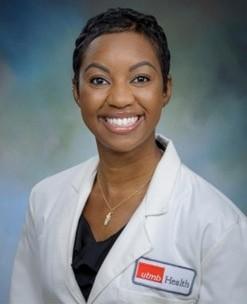
Supporting this vision is Channa Blakely, DO, RPVI, a vascular surgeon and educator whose mentorship helped bring the documentary to life. For Dr. Blakely, PAD is both professional and personal. Growing up in Brooklyn, she watched family members struggle with vascular disease without fully understanding their diagnoses. When Emmanuel approached her with the project, she immediately recognized its importance. Despite the challenges of asking patients to share deeply personal experiences, she remained committed to amplifying their voices and hopes the film continues to raise awareness and encourage health consciousness.
Dr. Blakely also emphasizes the critical role organizations like the Society of Vascular Surgery play in reducing disparities. She notes that access remains the greatest barrier in underserved communities, compounded by limited health literacy, insurance gaps and transportation challenges. Addressing these inequities, she believes, requires meeting patients where they are—through presence, education and systemic improvements that prevent delayed, devastating outcomes.
For fellow medical students, particularly those from underrepresented backgrounds, Emmanuel offers a message of clarity and courage. He encourages students to define an ambitious end-of-career vision and let purpose guide them through medicine’s long and demanding path. He also urges them to “conquer the fear of visibility”—to build relationships, network intentionally and invest in their voice, recognizing these as powerful professional tools.
Together, Emmanuel and Dr. Blakely embody why the SVS Foundation’s Voices of Vascular matters. Vascular disease affects every community, and the field must reflect that diversity to deliver truly patient-centered, culturally responsive care. By elevating voices from varied backgrounds, Voices of Vascular strengthens the specialty itself, driving innovation, equity and humanity forward.
When you donate to the SVS Foundation, you support Voices of Vascular and its mission to promote diversity, equity and inclusion. Learn more and make your gift today.
Emmanuel C. Ebirim is a third-year medical student at The University of Texas Medical Branch (UTMB). His documentary Soaring Mission was shown at the 2025 Vascular Annual Meeting.
Channa Blakely, DO, RVPI, completed her training in integrated vascular surgery at the University of Texas Medical Branch in Galveston, Texas, where she currently serves as an Assistant Professor. She was also featured in the 2023 Voices of Vascular Series.