Dr. Ayman E. Ahmed’s journey into medicine began in Sudan, where he grew up witnessing firsthand the profound need for physicians in underserved communities. Seeing the impact a dedicated doctor could have on patients and families instilled in him both a deep sense of responsibility and the determination to excel academically. That drive led him to earn a place at the University of Khartoum, one of the oldest medical schools in Africa, where his commitment to medicine took root.
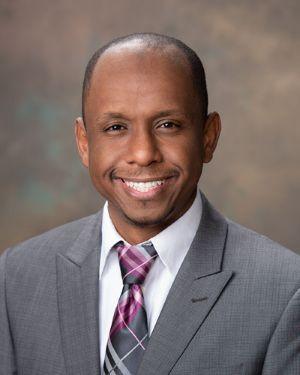
“For me, medicine is not just about earning a living,” Dr. Ahmed reflects. “It is about caring for others, alleviating suffering, drawing a smile on another human being’s face and saving lives.”
After completing medical school in Sudan, Dr. Ahmed sought to further expand his knowledge and training, regardless of the challenges it might require. He moved to the United States and completed preliminary training at Mayo Clinic in Rochester and the University of Minnesota before finishing his general surgery residency at the University of California, San Francisco (UCSF). He then completed a two-year vascular surgery fellowship at Cleveland Clinic in Ohio.
Finding His Calling in Vascular Surgery
Dr. Ahmed’s path to vascular surgery was shaped by mentorship and discovery. Before beginning residency, a mentor and friend, Dr. Osama Eltayeb, encouraged him to explore the specialty, recognizing its promise and the growing need within communities. His first weeks in vascular surgery during internship confirmed it was the right fit.
He was drawn to the specialty’s breadth and depth: the ability to perform complex open and endovascular procedures, provide medical management, interpret imaging and build long-term patient relationships. “Being a vascular surgeon means having the complete package,” he explains. “You perform surgery, treat medically, interpret your own imaging and care for patients long-term.”
What ultimately solidified his decision was the prevalence and burden of vascular disease, along with limited health literacy in this area. The opportunity to make a meaningful difference for patients facing life- and limb-threatening conditions continues to fuel his work.
Treating the Whole Patient
Central to Dr. Ahmed’s philosophy is caring for the whole patient—not just a diagnosis. Because vascular patients often have complex medical conditions, achieving the best outcomes requires looking beyond isolated findings.
“You can’t treat each problem separately and expect the best result,” he explains. “The answer for one patient may not be the same for another with the same condition, depending on their comorbidities.”
Listening is essential to that approach. While imaging and test results matter, they cannot replace understanding a patient’s concerns and expectations. “Listening helps you understand why the patient came to you. Imaging findings may or may not be relevant when linked to their symptoms. Listening can reveal what tests cannot.”
For Dr. Ahmed, service and technical excellence go hand in hand. The precision and versatility of vascular surgery allow him not only to save lives and limbs, but also to collaborate across specialties to deliver complex, multidisciplinary care.
Reflecting During Black History Month
For Dr. Ahmed, Black History Month is both a time of recognition and a call to action. He emphasizes the importance of addressing disparities in medical services and access, particularly within underserved communities.
“Closing the gap in medical service delivery and access is much needed,” he says. “Medical care is not only about providing service—it is also about spreading literacy.”
He also sees representation as a powerful tool for change. Increasing the number of Black men and women in medicine, particularly in specialties like vascular surgery, can strengthen trust, improve access and inspire future generations.
Black History Month, he notes, is also a time to reflect on the achievements and contributions of Black leaders throughout history. “It reminds us of the great potential that exists when opportunities are available.”
Advice for the Next Generation
Dr. Ahmed encourages medical students and trainees, especially those from underrepresented backgrounds, to consider vascular surgery.
“There is a great and growing need in vascular surgery,” he says. “It is rewarding and of great help to our community. If you are considering it, don’t hesitate. Reach out to any of us—we are more than happy to mentor and help.”
He also underscores the importance of support, visibility and investment in initiatives like the SVS Foundation’s Voices of Vascular program. Talents and great ideas, he notes, may never reach their full potential without encouragement and resources.
“With support—whether financial or otherwise—and visibility, these goals can be attained. This is especially true in underrepresented communities.”
When you donate to the SVS Foundation, you support Voices of Vascular and its mission to promote diversity, equity and inclusion. Learn more and make your gift today.
Ayman Ahmed, MBBS is Program Director of Vascular Surgery Fellowship at Marshfield Clinic and a Vascular & Endovascular Surgeon at Marshfield Clinic Health System in Wisconsin. He also serves as Adjunct Associate Professor at University of Wisconsin.