Finding Purpose in Vascular Surgery Through Connection, Care and Mentorship
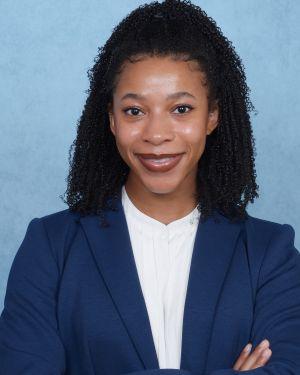
For Celena Marie Russell, the path to vascular surgery began not with a specialty in mind, but with a vision of the kind of career she wanted—one that was innovative, collaborative and meaningful, with lasting relationships with patients throughout their care.
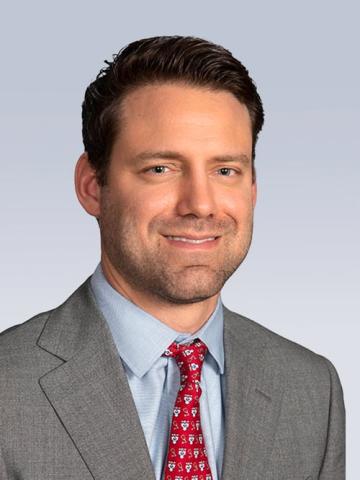
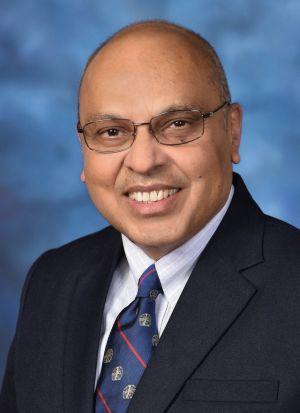
Russell first learned about vascular surgery during her first year of medical school through Dr. Brandon Henry. That introduction led her to participate in the T35 Harvard-Longwood Vascular Surgery Program at Beth Israel Deaconess Medical Center, where she worked in Dr. Schermerhorn’s lab and gained both research experience and early clinical insight into the field.
It was there that she discovered the complexity that defines vascular surgery.
“I was drawn to the field’s complexity and the relationships it fosters,” she explains. “Surgeons provide longitudinal care for their patients while engaging with multiple areas of the body.”
Through research and clinical experiences, Russell became fascinated by the decision-making involved in vascular care. Even with clinical guidelines, each patient requires an individualized approach. Collaborative discussions and tailored strategies for each case strengthened her interest in the specialty.
What resonates most with Russell is the impact vascular care can have on patients’ lives.
Many vascular conditions affect mobility, independence and quality of life. Yet with the right care, patients can regain abilities they feared were lost.
One patient encounter remains especially meaningful. A patient had delayed seeking care due to transportation challenges and ultimately required a guillotine amputation. In the days after surgery, Russell helped dress his wound and spent time speaking with him.
“Despite his loss, he remained grateful to be alive and shared his bright spirit with our team,” she recalls. “He thanked me for making him feel cared about.”
Moments like this reinforce what Russell believes vascular surgery represents.
“This field isn’t about quick fixes,” she says. “It’s about meeting patients where they are, understanding their circumstances and helping them achieve their goals without abandoning them if things don’t go as planned.”
Finding a Sense of Belonging
As she became more involved in the specialty, Russell also found a strong sense of belonging within the vascular community. Mentors and peers welcomed her and helped her envision a future in the field.
Professional societies have played an important role in that journey. Organizations such as the Society for Vascular Surgery (SVS), the Society of Black Vascular Surgeons (SBVS) and the Association of Women Surgeons (AWS) have provided both community and professional guidance.
Through connections made within SVS, Russell collaborated with colleagues and helped bring new educational experiences to her local Vascular Surgery Interest Group (VSIG), expanding opportunities for medical students interested in the specialty.
“These communities helped me feel like I fit in,” she says.
The Significance of Women’s History Month
Women’s History Month holds particular meaning for Russell as she reflects on the generations of women who helped create opportunities in surgery.
“It reminds me of the challenges that were overcome by those before me to allow me to be in this position,” she says. “It also reminds me how incredible the women in this field are who I look up to.”
Seeing successful women surgeons who maintain both professional excellence and fulfilling personal lives has been especially impactful.
“I would not have known this was possible for me if not for these role models,” Russell says.
That visibility is one reason she values initiatives like the SVS Foundation’s Voices of Vascular program.
“Representation was an important part of my ability to envision myself in this field,” she explains. “Through visibility like this, people can see how they might fit into vascular surgery.”
Looking ahead, Russell believes progress will come through earlier exposure for medical students. Programs like VSIGs and outreach from practicing surgeons can introduce students to the field earlier in their training.
She also hopes increasing diversity within the specialty will expand mentorship opportunities.
“Progress looks like everyone interested in vascular surgery having access to a mentor who resembles them,” she says.
Her Advice
For medical students—especially those from underrepresented backgrounds—Russell offers simple advice: trust that you belong.
“Even if you are the only person in the room who looks like you, your perspective is valuable,” she says. “It will help your patients more than you know.”
She also encourages building mentorship networks early.
“Identify mentors at multiple levels—senior medical students, residents and attendings—so you can receive guidance at every step.”
As Russell looks toward the future, she is especially excited about giving back through teaching and mentorship.
“I’m passionate about helping others achieve their goals,” she says. “I look forward to supporting the next generation.”
When you donate to the SVS Foundation, you support Voices of Vascular and its mission to promote diversity, equity and inclusion. Learn more and make your gift today.
Celena Marie Russell is a fourth-year medical student at Morehouse School of Medicine. She is co-president of the Vascular Surgery Interest Group (VSIG) at Morehouse.