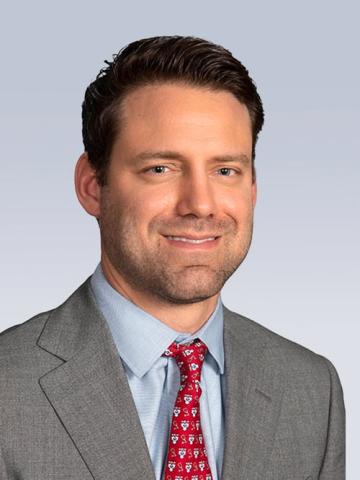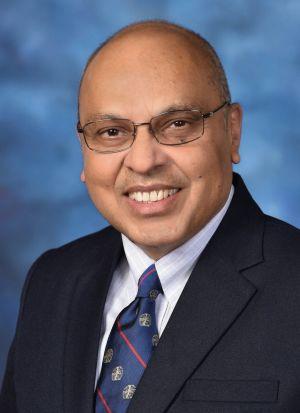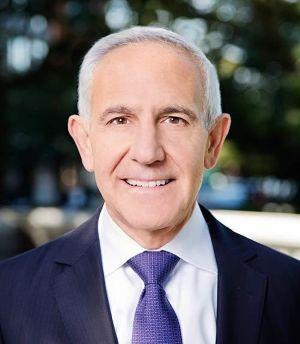
For Todd E. Rasmussen, MD (Col (ret), USAF MC), a career in vascular surgery has been shaped by service—to his country, his patients and the next generation of surgeons.
From treating wounded service members during the wars in Iraq and Afghanistan to advancing vascular innovation at Mayo Clinic, Rasmussen's career reflects a commitment to improving patient care and supporting those who follow in his footsteps.
A Foundation Built on Service
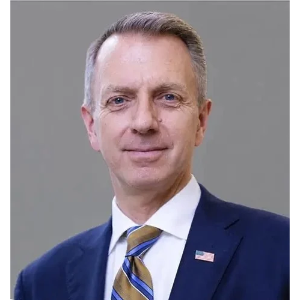
Rasmussen's journey began at Mayo Clinic in Rochester, Minnesota, where he attended medical school as an Air Force Health Professions Scholar. Surrounded by accomplished surgeons, including military veterans such as John (Jeb) Hallett, MD, he found mentors who helped shape his professional path.
Those early experiences, combined with his interest in procedural medicine, led him to pursue surgical residency and vascular surgery fellowship training.
His military career would become one of the most defining experiences of his life.
During the wars in Iraq and Afghanistan, Rasmussen applied his surgical training to care for injured service members in austere environments around the world. Working alongside individuals he describes as among the country's most dedicated and self-sacrificing reinforced his understanding of service and responsibility.
"Without a doubt, aside from close family and faith, the military has been the most formative life experience to shape who I am personally and professionally," he reflected.
Now a veteran himself, Rasmussen says his appreciation for the military community continues to deepen with each passing year.
The Importance of Professional Community
Throughout his career, Rasmussen has valued the support of professional organizations such as the Society for Vascular Surgery (SVS), which have provided opportunities for education, professional development and connection.
He particularly recognizes the important role surgical societies played in supporting military surgeons during wartime. Organizations including SVS helped establish visiting surgeon programs that brought experienced civilian surgeons to military treatment facilities to mentor and support junior military surgeons.
For Rasmussen, these efforts demonstrate why continued engagement and investment in professional societies matter.
"Without tangible support—time, talent or financial resources—professional organizations such as the SVS cannot exist or function effectively in their role as a stable support entity for military surgeons," he said.
His perspective underscores the importance of supporting organizations like the SVS Foundation, where contributions help advance research, education and mentorship opportunities that strengthen the vascular surgery community and support future generations of surgeons.
Advancing the Future of Vascular Care
With more than 25 years in vascular surgical practice, Rasmussen continues to pursue opportunities to improve patient care through collaboration, research and innovation.
As director of the Gonda Vascular Center at Mayo Clinic, he is focused on advancing integrated, multidisciplinary care that brings specialized services together in a more coordinated and accessible setting for patients.
He also serves as Chief Surgical Officer of Humacyte Global, Inc., through an agreement with Mayo Clinic, helping advance the safe and effective use of biologic implants for vascular reconstruction.
His work in innovation extends to Resuscitative Endovascular Balloon Occlusion of the Aorta (REBOA) technology, which he co-invented and developed with Jon Eliason, MD, during their military careers. Rasmussen remains involved in advancing the technology and its applications.
Looking ahead, he sees tremendous potential for vascular surgery, from wound care and limb salvage to regenerative medicine, emerging biologics and new imaging technologies.
"Because our profession's forefathers and mentors chose to be expansive and not restrictive in scope, the future of vascular surgery over the next decade and beyond is limited only by our imagination and effort," he said.
Investing in the Next Generation
Despite his many professional accomplishments, Rasmussen places particular importance on mentorship and helping future surgeons build sustainable, fulfilling careers.
His advice to medical students and trainees is to prioritize personal well-being, recognize the demands of surgical practice and understand that professional success does not require achieving everything at once.
"You can do everything; you just can't do it all at the same time," he recalled being told earlier in his career.
It is a philosophy he continues to embrace. Outside the operating room, Rasmussen values time with his wife of 33 years, Debbie, their three children and growing families.
Professionally, he remains enthusiastic about working alongside colleagues and trainees at Mayo Clinic, advancing patient care and encouraging students and residents to pursue vascular surgery.
For Rasmussen, a meaningful career is not defined solely by clinical accomplishments or technological breakthroughs. It is also about the people who make those achievements possible, the communities served and the opportunities created for future generations.
His journey illustrates the lasting impact of military service, mentorship and professional community—and the importance of supporting those who will shape the future of vascular surgery.
When you donate to the SVS Foundation, you support Voices of Vascular and its mission to promote diversity, equity and inclusion. Learn more and make your gift today.